

Climate Resilience Is Becoming a Community Priority in Kenya
September 25, 2026
Kenya is increasingly confronting a reality that climate change affects much more than the environment. It also affects health, livelihoods, food security and the ability of communities to access essential services. This week, Kenya called for greater and more predictable investment in climate-resilient primary healthcare. Speaking during a high-level roundtable on the sidelines of the UN General Assembly, the government highlighted the importance of resilient health facilities, climate-informed surveillance, early-warning systems and stronger community health systems.
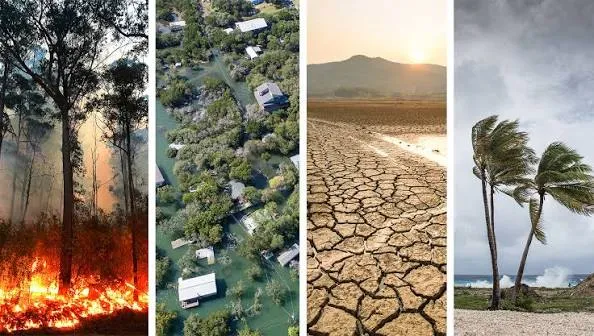
The discussion comes at a time when communities across Kenya continue to experience the consequences of changing weather patterns. Droughts, floods and extreme weather can disrupt access to healthcare, affect agricultural production and place additional pressure on households that already have limited resources.
While investment in health infrastructure and government systems is essential, climate resilience also depends on how prepared communities are to understand and respond to climate-related risks. This means communities need access to timely information, digital tools, climate knowledge and practical skills. Young people can contribute through technology, innovation and entrepreneurship, while women can play an important role in household resilience, food security and community wellbeing.
Kenya's recent emphasis on strengthening Community Health Promoters also demonstrates the importance of bringing services and information closer to households. The government says it is investing in training, supervision, medical supplies and digital tools to strengthen community health systems. This creates an opportunity to think about climate resilience not simply as a government responsibility, but as a community development priority.
This is closely connected to the work of Salama Self Help Foundation, particularly its focus on youth and women empowerment, ICT and digital development, agriculture, climate change and community development. Salama's approach can contribute to climate resilience by helping communities, particularly young people and women, gain access to information, skills and opportunities that enable them to participate in local solutions.
Digital technologies, for example, can support access to climate information and learning. Skills development can help young people explore sustainable livelihoods and green entrepreneurship. Community-based awareness can help households better understand environmental risks and identify practical responses. The Foundation's role is therefore not limited to responding to challenges after they occur. It can contribute to building knowledge, skills and community capacity before climate-related challenges become crises.
Kenya's current discussion about climate-resilient healthcare demonstrates why climate action needs to be connected with broader human development. A resilient community needs functioning health systems, but it also needs informed citizens, economic opportunities, digital access and people capable of developing local solutions.
For Salama, this connection provides an important space for continued work with young people and women. By linking digital empowerment, climate awareness, skills development and community participation, the Foundation can contribute to communities that are better prepared to navigate a changing environment.
Climate resilience is ultimately about people. When communities have the knowledge, skills and opportunities to respond to change, they become part of the solution rather than simply recipients of support.
